Contemporary Colonial Interior Design: Timeless Elegance
Enter the realm of contemporary colonial interior design, where timeless charm meets modern flair. This post looks at the origins of colonial-inspired spaces. It combines historic charm with current styles.
You’ll discover practical furniture ideas and tips to update classic interiors. Learn how to craft a sophisticated, functional home that respects the past while embracing the present.
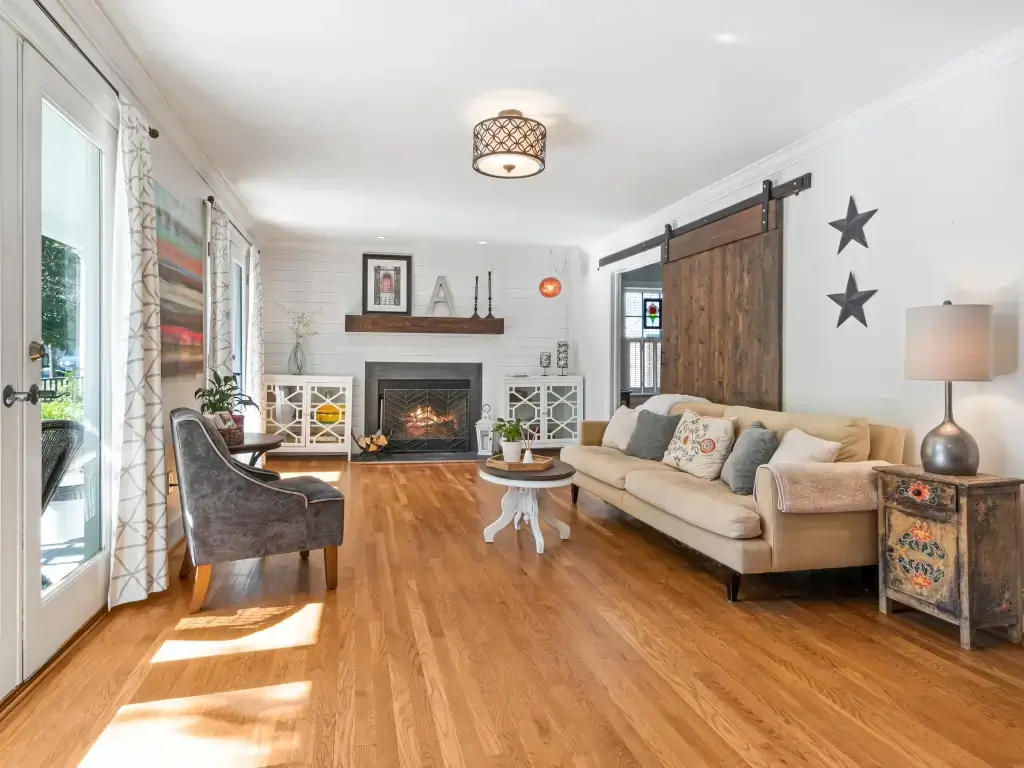
What Is Contemporary Colonial Interior Design?
Contemporary colonial interior design reinterprets classic colonial elegance for a modern living space. This style takes inspiration from colonial architecture. It adds fresh energy with open layouts, modern colours, and well-chosen furniture.
Modern colonial interiors mix heritage and comfort, unlike the more formal traditional styles. They blend classic wood details with warm spaces. This is ideal for anyone who loves history and modern comfort.
Key Elements That Define Modern Colonial Style
Modern colonial design emphasises simple sophistication, incorporating elements that evoke a timeless aesthetic. Neutral earth tones create a versatile backdrop, while navy blues or deep greens add a touch of drama.
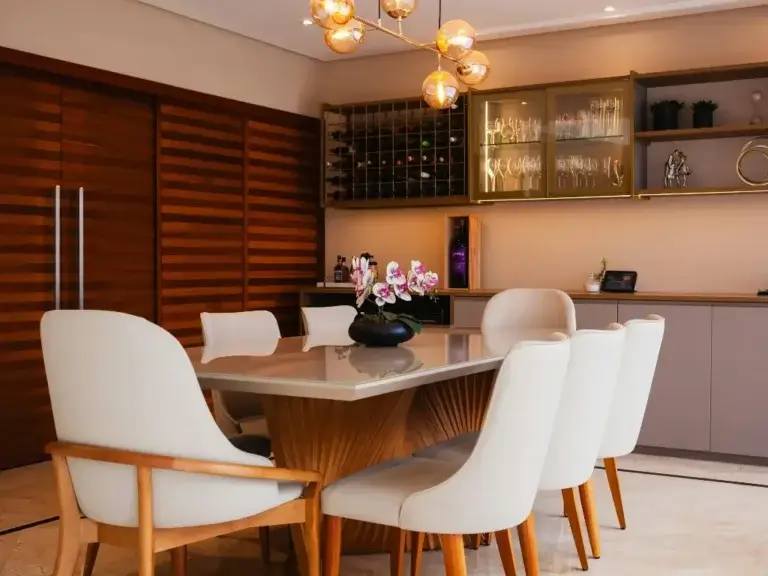
Furniture often combines classic colonial shapes with modern lines. Wood accents and textured pieces add depth and authenticity. Crown moulding and thick baseboards add classic elegance. They enhance the space without making it feel crowded.
Inspiring Accommodations in the Southern Highlands
The Southern Highlands highlight exceptional contemporary colonial design in guest accommodations. These spaces blend rustic luxury with enduring style.
Columns and grand fireplaces blend harmoniously with cosy textiles and warm colours. Modern conveniences meet colonial elegance, offering guests both comfort and a sense of history. Staying here highlights how colonial design remains relevant in today’s hospitality.
When Modern Colonial Meets Hamptons and Provincial
The blend of modern colonial design with Hamptons chic and Provincial influences is striking. In these interiors, crisp lines and light palettes typical of the Hamptons blend with the warmth of a colonial style. This combination creates serene and inviting homes that celebrate a colonial character. Layering these styles offers endless opportunities for personal expression and creativity.
Embracing Bold Colours and Patterns in Bedrooms and Bathrooms
Today’s contemporary colonial design incorporates bold colours and patterns where they are not typically expected. Bedrooms and bathrooms use striking wallpapers and bold fabrics. They create a lively contrast with the traditional architectural style.
A balanced colour palette keeps these spaces elegant. It also lets personality shine. This shows that colonial style can be classic and lively.
Experiences Beyond Design: Lifestyle and Atmosphere
Design is just one part of contemporary colonial living. These homes foster a welcoming atmosphere that encourages relaxation and connection. Whether in a cosy lounge, a sunny breakfast nook, or a garden-view space, every detail promotes comfort and a bond with nature.
This design style blends colonial tradition with a modern feel. It shows that function and atmosphere are just as important as looks.
The Influence of British Colonial Interior Design
British colonial design has a significant influence on modern interpretations of colonial style. It features tropical woods, airy textiles, and furniture that prioritises comfort. Signature elements, such as plantation shutters and refined decor, reflect this tradition.
The British colonial style focuses on openness and flexibility. This matches well with our current craving for airy, comfortable homes.
Earthy Tones and Natural Materials in Modern Colonial Homes
A key aspect of contemporary colonial interiors is the use of earthy tones and natural materials. Warm beiges and caramel colours create a calming feel. Reclaimed wood and woven rattan add a real touch.
These materials boost the charm of colonial architecture. They complement both modern and classic furniture styles. The careful use of earth tones and textures showcases the timeless appeal of colonial style.
Architectural Features That Elevate Colonial Style
Architectural details are key in colonial interiors. They include high ceilings, spacious fireplaces, and large sash windows.
These features add drama while linking to the past. In modern colonial design, these elements often have a lighter, more refined feel. This creates spaces that are open and inviting while still honouring traditional precision.
Lighting and Window Treatments for a Bright, Airy Feel
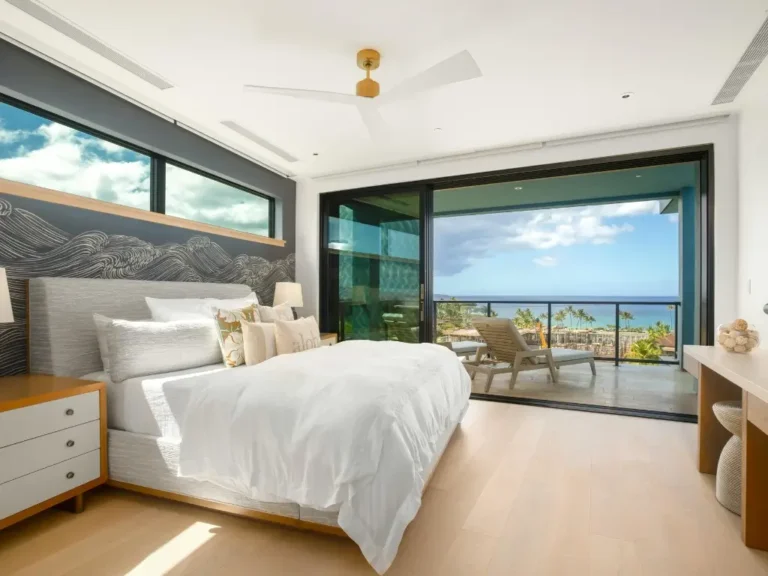
Light is crucial in contemporary colonial homes. Large windows, glass-panelled doors, and carefully selected fixtures create bright, welcoming interiors. Simple linen drapes, plantation shutters, and woven blinds offer privacy while maintaining an open feel. These choices highlight the design style’s dedication to comfort and warmth.
Selecting Furniture for a Contemporary Colonial Home
Furniture choices blend colonial tradition with modern living. Pieces often combine antique-inspired woodwork with sleek, contemporary lines.
Softer shapes and lighter finishes provide a fresh take on classic designs. Combining vintage items with tailored sofas creates spaces that feel both classic and modern. This style appeals to fans of American colonial and contemporary design.
Texture and Material Choices That Add Depth
Diversity in texture is key in contemporary colonial interiors. Woven baskets, grasscloth wallpapers, and velvet pillows introduce warmth and dimension. Mixing materials, such as hardwood and soft textiles, creates a cosy feel. This illustrates the transition from formal to relaxed sophistication in style.
Artwork Choices That Reflect Colonial Heritage and Modern Tastes
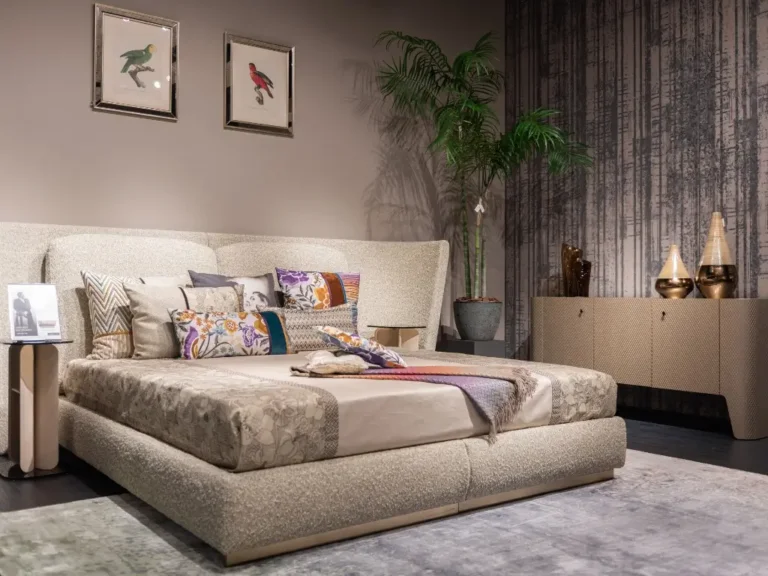
Art curation strikes a balance between tradition and modernity. Framed botanical prints and classic landscapes evoke a sense of colonial elegance, while modern abstracts add a fresh twist. This blend respects tradition without feeling stuffy, allowing homeowners to showcase their personality through layered decor.
Home Decor Accents That Complete the Look
Accessories enhance well-designed colonial spaces, making them feel lived-in. Decorative vases, antique-inspired lamps, and woven trays add to the historical ambience. Soft furnishings, such as throws and patterned cushions, add comfort without overwhelming the design. Choosing accents that reflect colonial craftsmanship while remaining relevant today completes the cohesive aesthetic.
Fresh Patterns and Upholstery for a Modern Edge
Patterns tell a powerful story in modern colonial spaces. Bold checks and florals on upholstered headboards or geometric motifs on rugs inject energy and variety. Updating upholstered antiques or adding modern cushions keeps the look fresh, offering an inviting take on classic design.
The Timeless Appeal of Hardwood Floors
Hardwood floors are a central feature of both classic and contemporary colonial styles. Their rich tones provide a strong base for decor, while wide planks or herringbone patterns add a modern touch.
Hardwood floors are strong and beautiful. They respect tradition and meet today’s needs. They also bring unity to the home.
Panelling, Moulding, and Columns: Signature Colonial Details
Panelling, elaborate moulding, and columns have long defined the interiors of colonial homes. In modern colonial homes, designers simplify these features and paint them lighter to avoid heaviness. Strategic placement—such as wainscoting in dining rooms—honours historical craftsmanship while grounding the home’s colonial identity.
FAQ:
Absolutely. Even in compact urban settings, contemporary colonial interior design can shine by focusing on select features.
Opt for lighter paint, streamlined panelling, and multi-functional furniture. Add colonial-style accents, such as elegant window mouldings or classic hardware. This will bring colonial charm without crowding the space.
You can easily blend technology when you keep it discreet. Consider hidden speakers, under-cabinet lighting, or USB charging built into bedside tables. You can integrate smart thermostats or lighting controls into traditional-looking wall panels, offering convenience without disrupting colonial aesthetics.
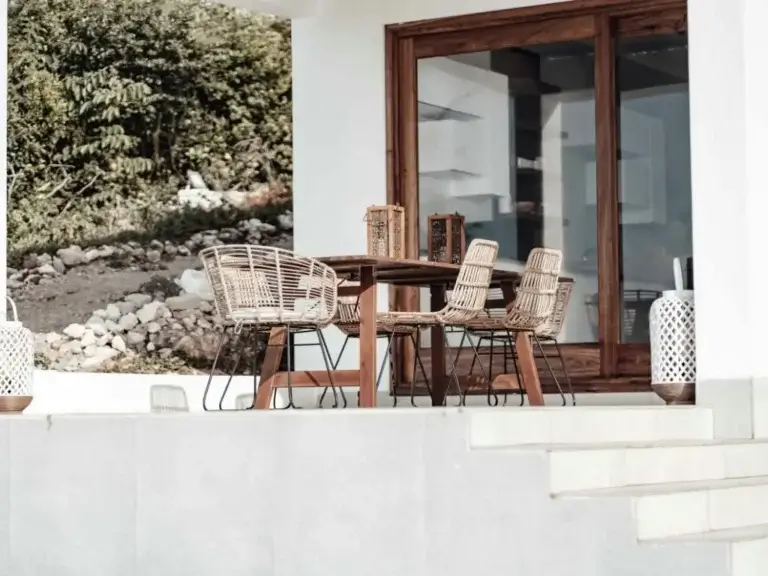
Make shaded verandas or patios with American or British colonial styles. Use rattan seating, wooden ceiling fans, or striped awnings. Natural finishes, green plants, and traditional lantern lights bring the colonial style outside. They create relaxed and friendly living spaces.
Yes—sustainability pairs perfectly with this style. Choose reclaimed wood flooring, low-VOC paints in earth tones, and natural fibre textiles. These materials respect colonial traditions of craftsmanship and adaptability while supporting contemporary values for eco-friendly living.
Renters can enjoy a colonial design with peel-and-stick wall panels. They can also use removable wallpaper with classic patterns. Freestanding bookcases with colonial moulding details are another great option.
You can change a space by updating hardware and adding colonial-style textiles. This includes items like checked curtains or botanical prints. These changes do not require permanent work.