Estimated reading time: 13 minutes
Top Interior Design Trends 2026: Your Ultimate Home Guide
In 2026, we will see many new interior design trends. These trends include colourful rooms and cosy palettes. They create a sense of luxury that feels comfortable. Every space will feel more inviting and purposeful.
This guide explores sustainability with vintage styles. It highlights the return of dark wood and comforting warmth.
The design incorporates wallpaper throughout. It also focuses on slow design, biophilic elements, and new takes on neutral colours.
You will also look at warm minimalism, outdoor living rooms, craftsmanship, and texture. You can dive into playful maximalism, textured finishes, and sculptural curves. These ideas can inspire your next home update.
1. Why Colour Drenching is Top of Interior Design Trends 2026
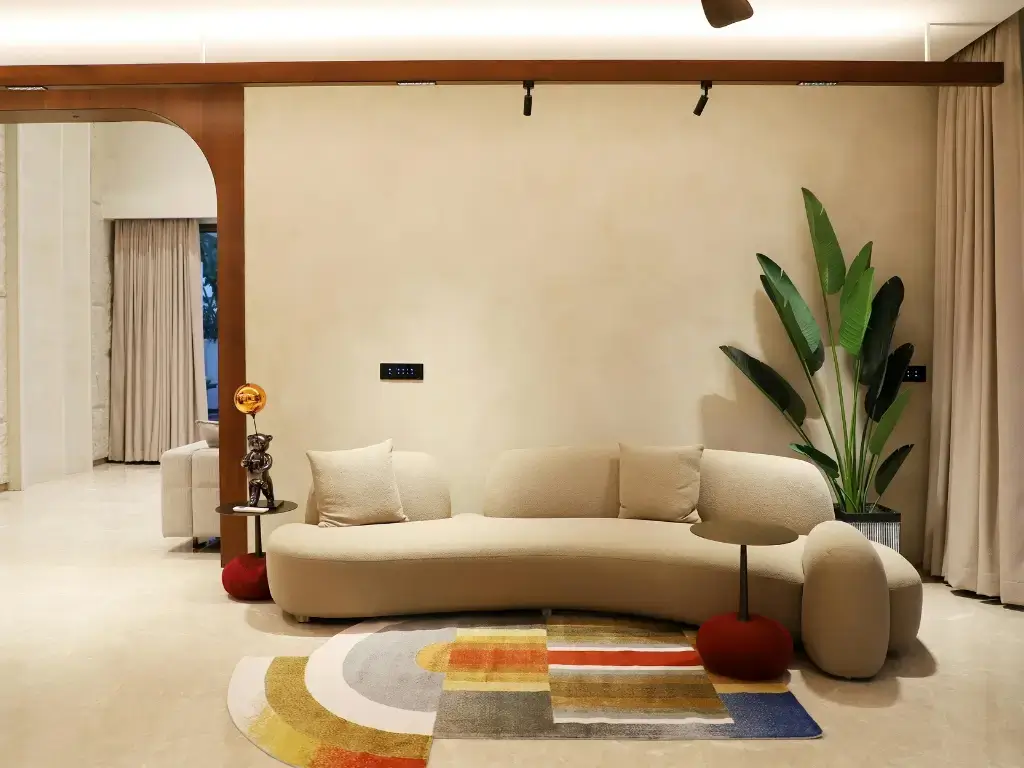
Painted feature walls are fading from home styling trends. If you’ve been keeping up, you might have noticed this shift. In their place, colour drenching has emerged as a dominant force.
This technique means painting everything—walls, ceilings, trims, and doors—in one colour. It creates a seamless, immersive experience that feels both incredibly modern and cosy.
I find this trend beautiful because it reduces visual clutter. Without contrasting trims, small rooms feel larger and more elegant. It’s a bold choice, but it works. It makes your space feel well-designed rather than thrown together.
2. Moody Colour Palettes for a Sophisticated Edge
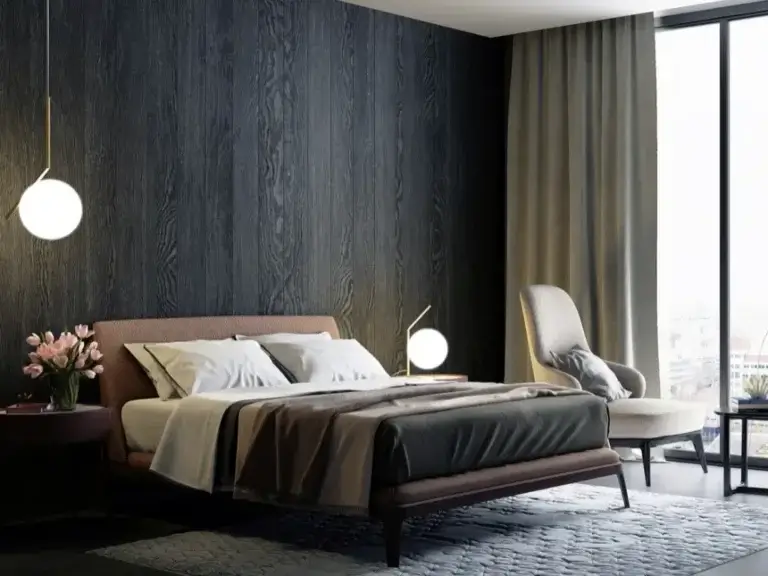
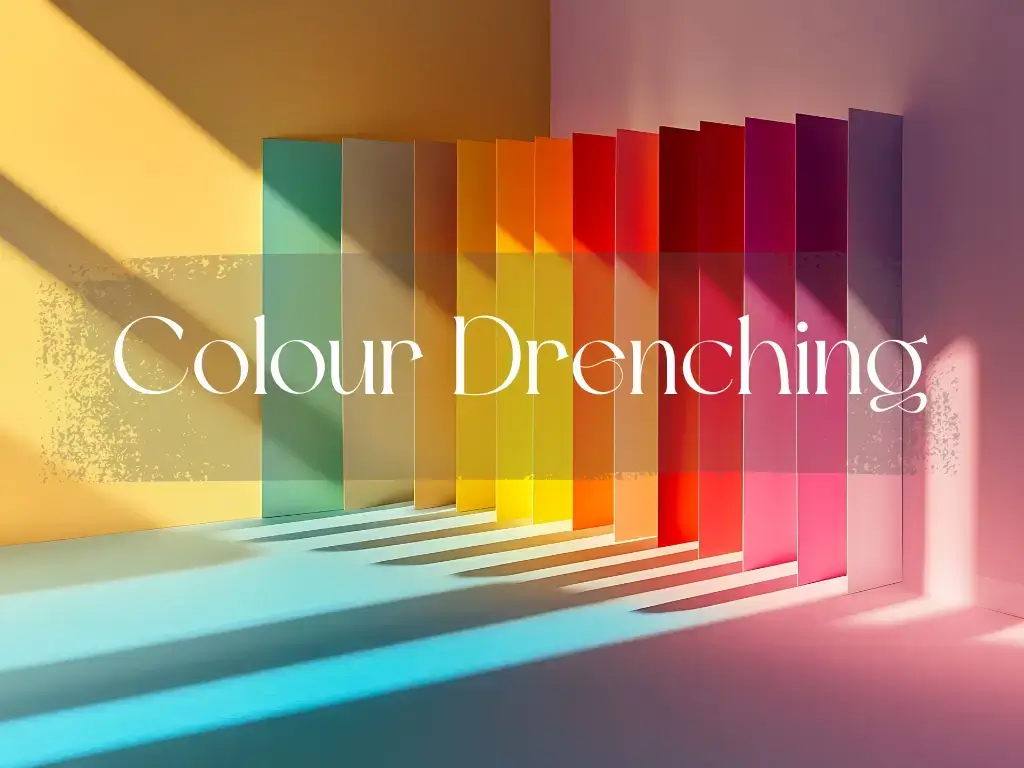
Alongside colour drenching, there is a distinctive shift toward deeper, more introspective tones. We’re stepping away from pure white. Now, we’re exploring rich terracottas, deep olives, and midnight blues.
These moody palettes create a calming feel in a home. They provide a retreat from the bright, busy world outside. Darker shades work exceptionally well in places for relaxation.
This includes a formal sitting room or a bedroom. When used with the proper lighting, these colours don’t seem gloomy. Instead, they create a cosy effect that is both comforting and stylish.
3. Livable Luxury: The Evolution of Interior Design Trends Australia
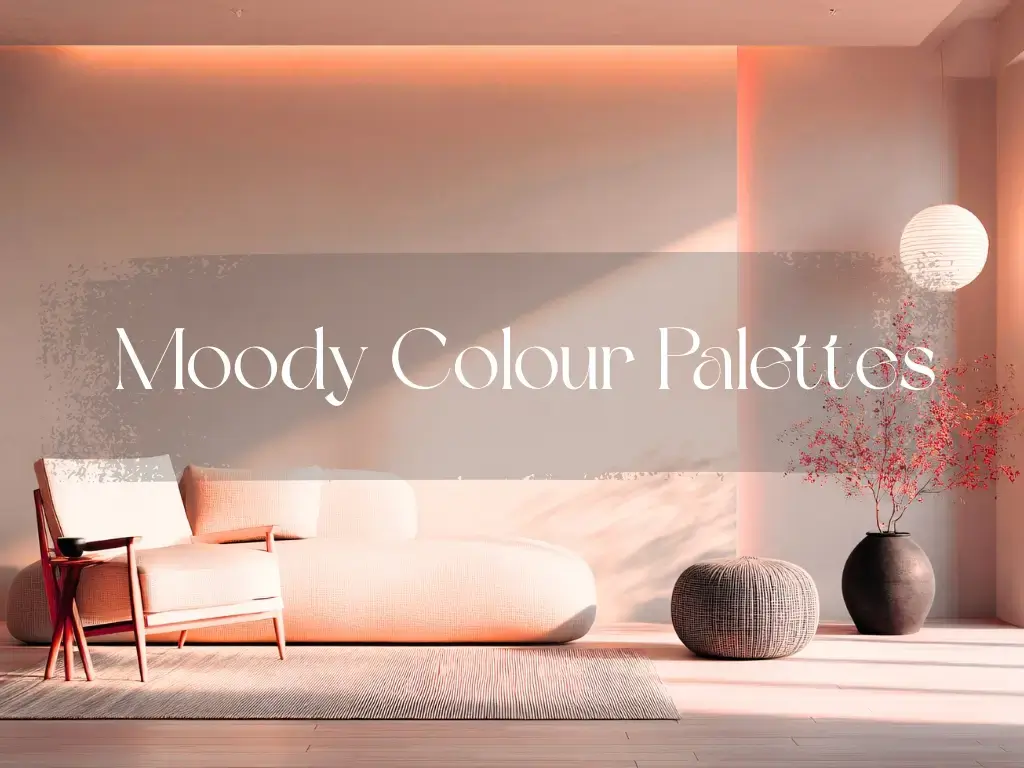
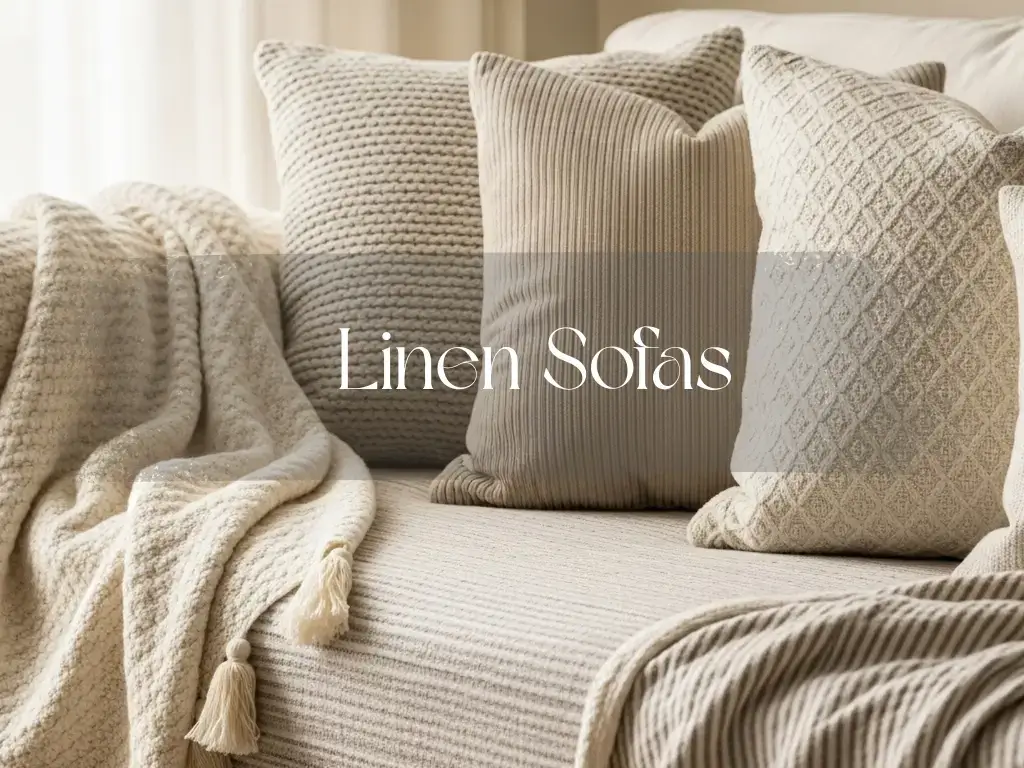
Australian homes blend style with a relaxed vibe. In 2026, it becomes “livable luxury.” This idea isn’t about delicate, hard-to-care-for décor that you can’t use. Investing in high-quality materials is key. They look good over time and stand up to daily use. Picture linen sofas getting softer with each use. Think of sturdy wooden tables lasting through family dinners.
In Australia, we clearly value touch and durability in interior design trends. We want homes that look pricey but feel easy. They should mix luxury style with absolute comfort.
4. Sustainability Through Vintage Touches
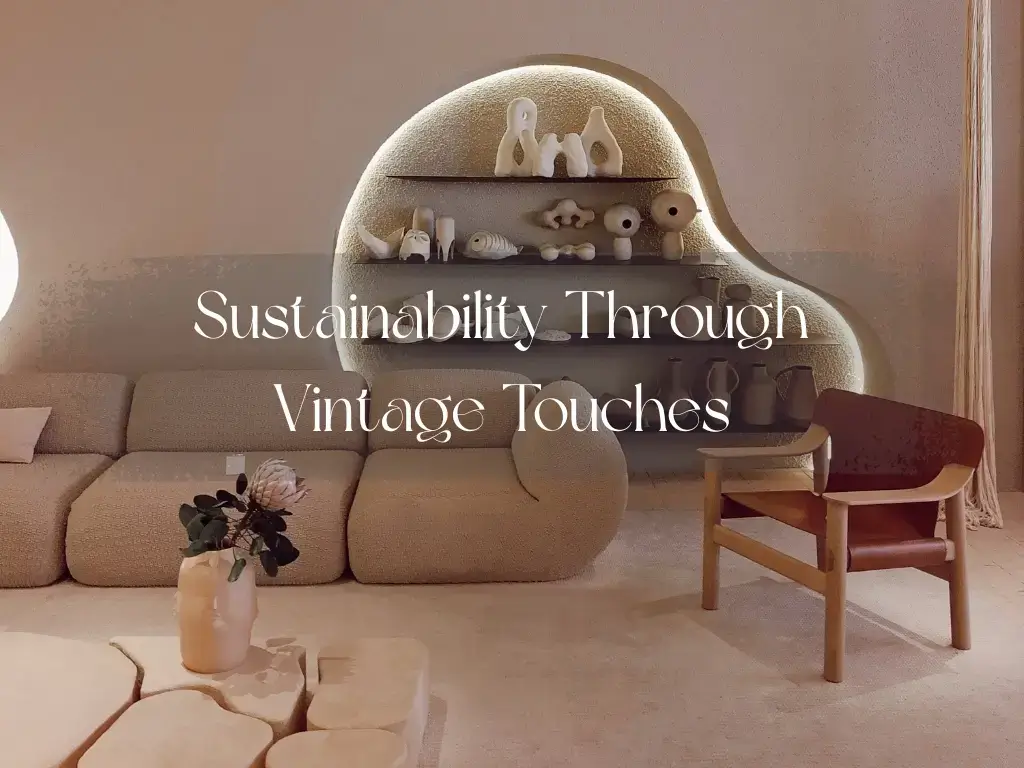
One of the most heartening shifts I’ve seen in my two decades in the industry is the move away from “fast furniture.” Sustainability is no longer just a buzzword; it is a core design principle.
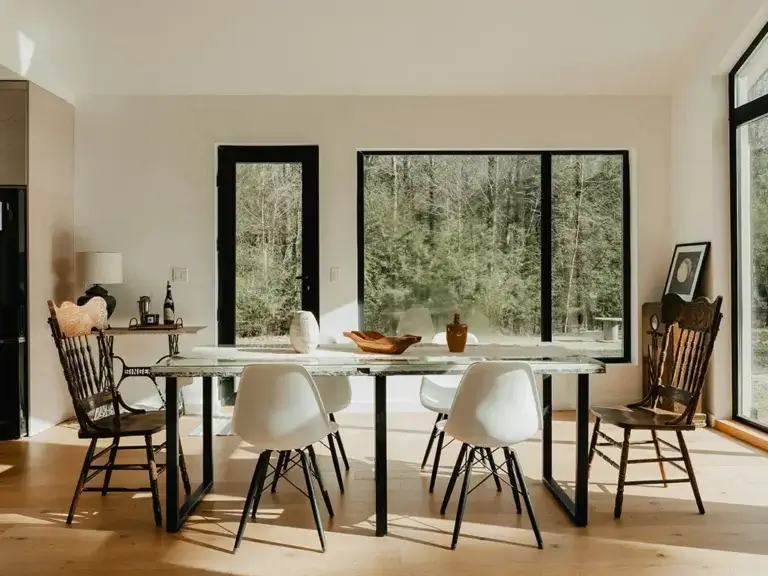
Homeowners are mixing new purchases with vintage or antique items. This gives their spaces a unique story and helps reduce landfill waste. Whether it’s a restored mid-century armchair or a rustic farmhouse table, these pieces add soul to a room.
This approach supports eco-friendly practices and keeps your home looking stylish. It creates a layered, curated feel that mass-produced items cannot replicate.
5. The Return of Dark Wood in Modern Interiors
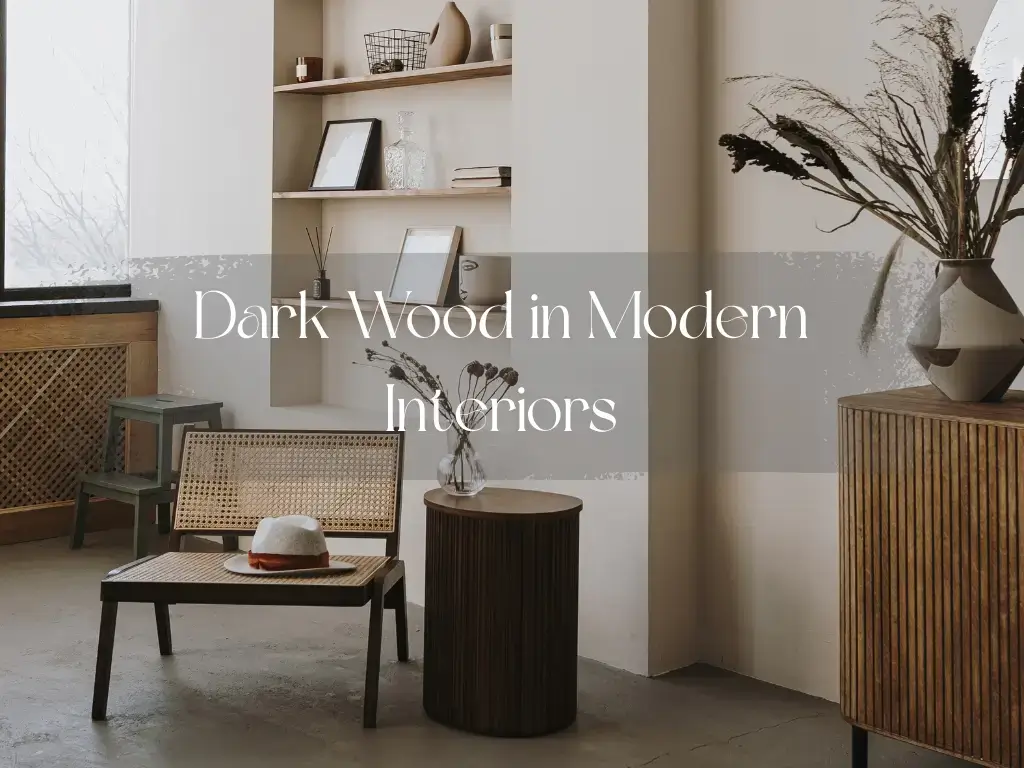
For years, light Scandinavian woods were very popular. Now, we are seeing a strong comeback of dark woods. These include walnut, mahogany, and stained oak. These deeper tones add a sense of history and warmth that lighter woods sometimes lack.
I love using dark wood to anchor a room. A rich walnut sideboard or coffee table can add a nice contrast to light walls or neutral rugs. This trend feels timeless. It references classic design eras but also embraces modern styles. Bringing richness and gravity back into our living spaces is essential.
6. Prioritising Warmth and Comfort in Every Room
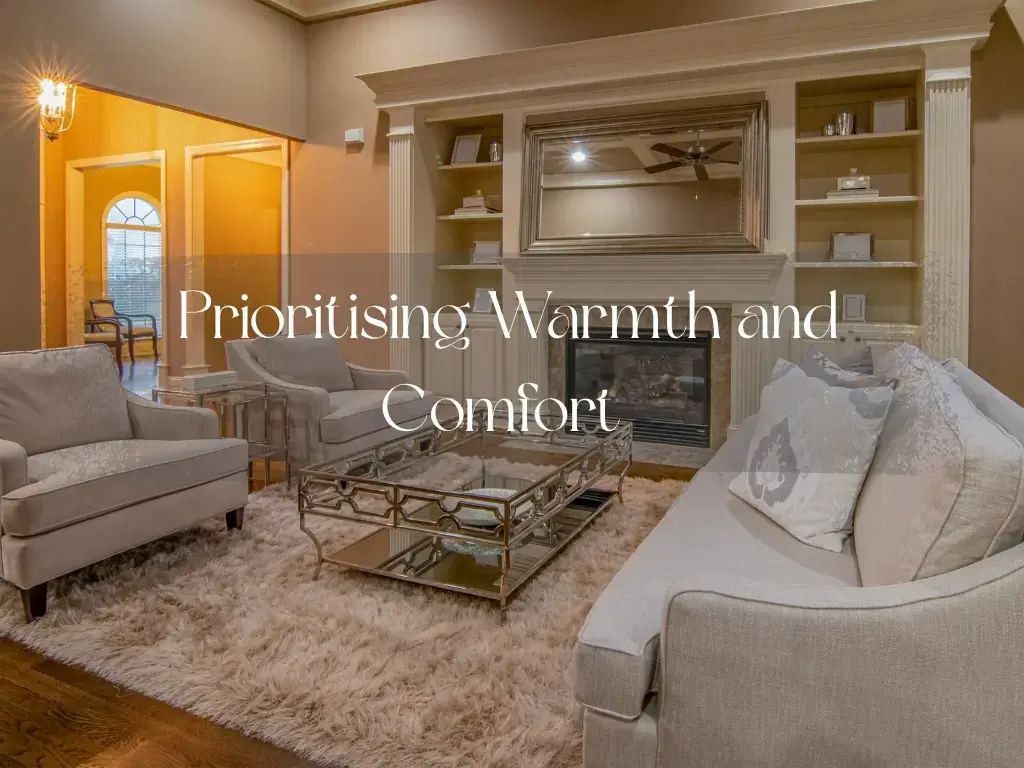
The era of the sterile, showroom-perfect home is officially over. In 2026, the aim is to create spaces that feel warm, both physically and emotionally. We’re spotting a trend for cosy fabrics, warm lighting, and setups that encourage connection and comfort.
Not just about how a room looks, but how it makes you feel. Large area rugs cut down noise, while seating invites conversation. The aim is to build a sanctuary. This trend of warmth comes from our digital lives. Our homes should be a soft place to land at the end of the day.
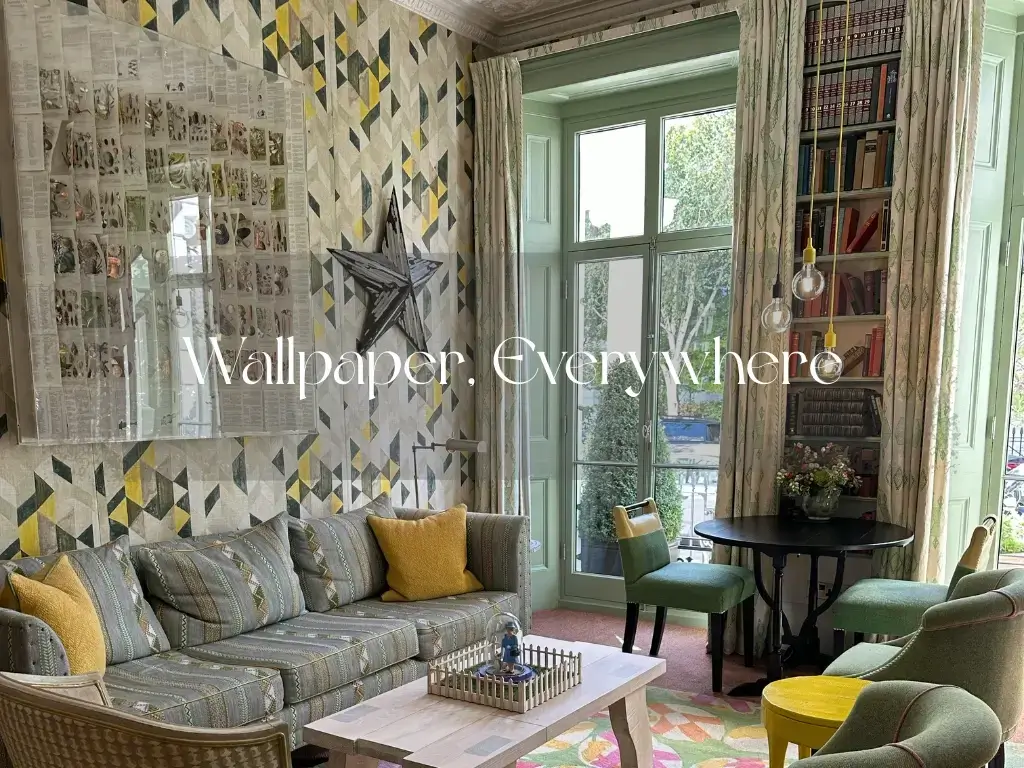
7. Wallpaper, Everywhere: A Bold Revival
Wallpaper has returned with a vengeance, and it is no longer just for powder rooms. We are seeing it used in bedrooms, living areas, and even on ceilings to add unexpected drama. The current designs are remarkably different from the old prints. They feature significant botanical patterns, textured grasscloths, and detailed murals that resemble art.
I often tell clients to use wallpaper to create a zone in an open space. It can also add personality to a rental with removable options. It’s an excellent tool for adding depth and character. You don’t need to change your whole architectural structure.
8. Slow Design: A Timeless Approach to Interior Design Trends
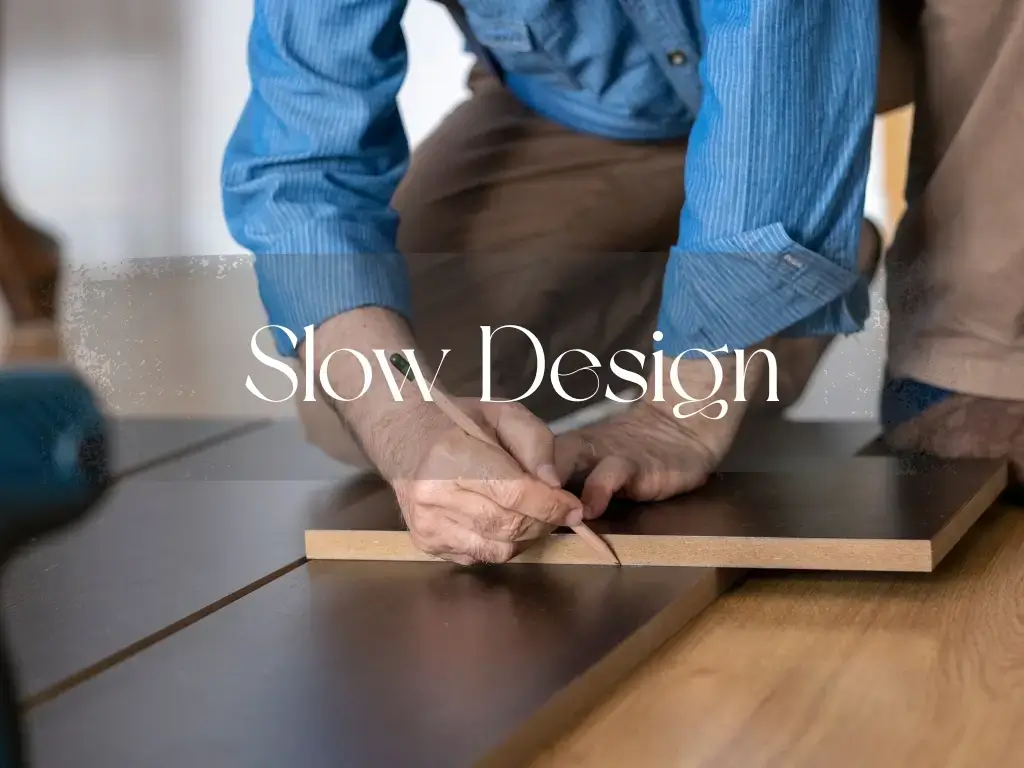
“Slow design” is the antithesis of the trend cycle. It encourages us to buy less, but buy better.
This philosophy fits well with the interior design trends of 2026. These trends value craftsmanship and lasting quality over quick fixes. It means waiting for the right piece rather than using a temporary solution.
As an expert, I notice a growing demand for handmade, artisanal goods. These pieces share the story of their maker and their origin. Using a slow design mindset means your home changes naturally over time. This creates a space that is personal and not affected by trends.
9. Biophilic Design: Bringing the Outdoors In
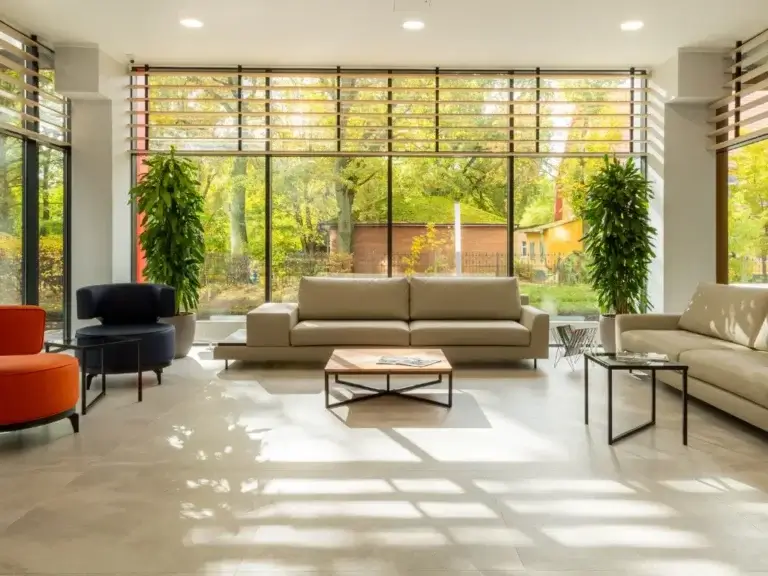
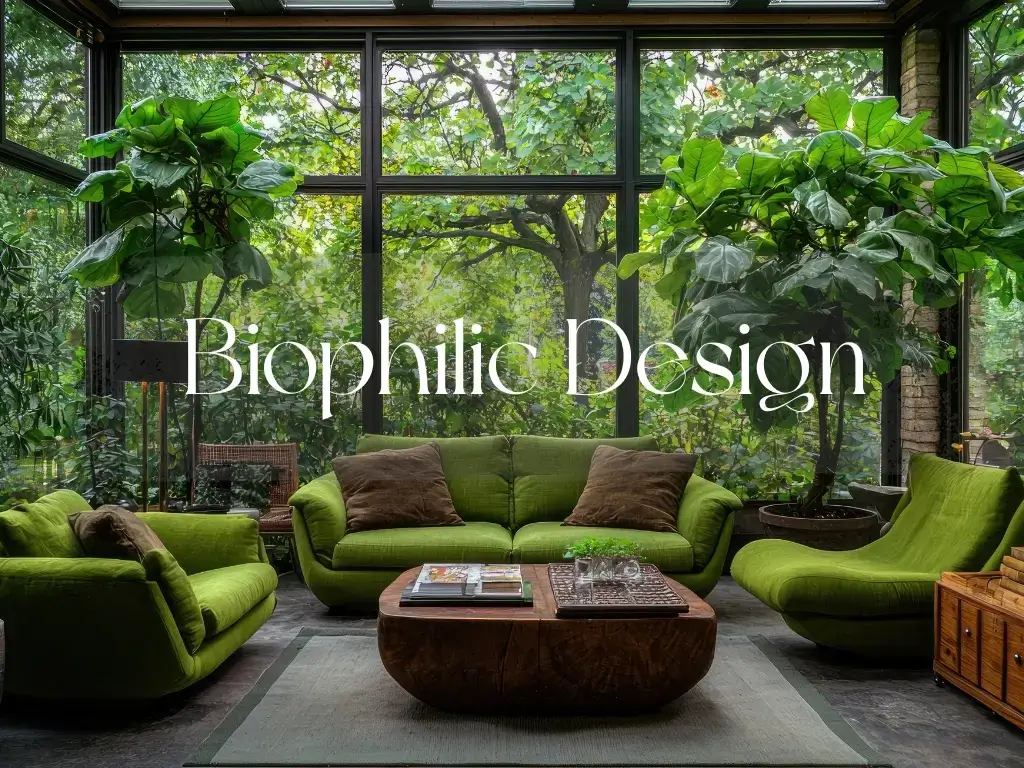
Biophilic design is a growing trend, especially in Australia. Our connection to nature is vital—more than just adding a potted plant. Bringing in natural light, fresh air, and organic shapes enhances the home.
We’re seeing larger windows, skylights, and rough materials that resemble the outdoors. This approach has proven benefits for mental well-being, reducing stress and improving creativity. We blur the lines between inside and outside. This creates spaces that feel alive and restorative.
10. Neutrals, Reimagined: Beyond Basic Beige
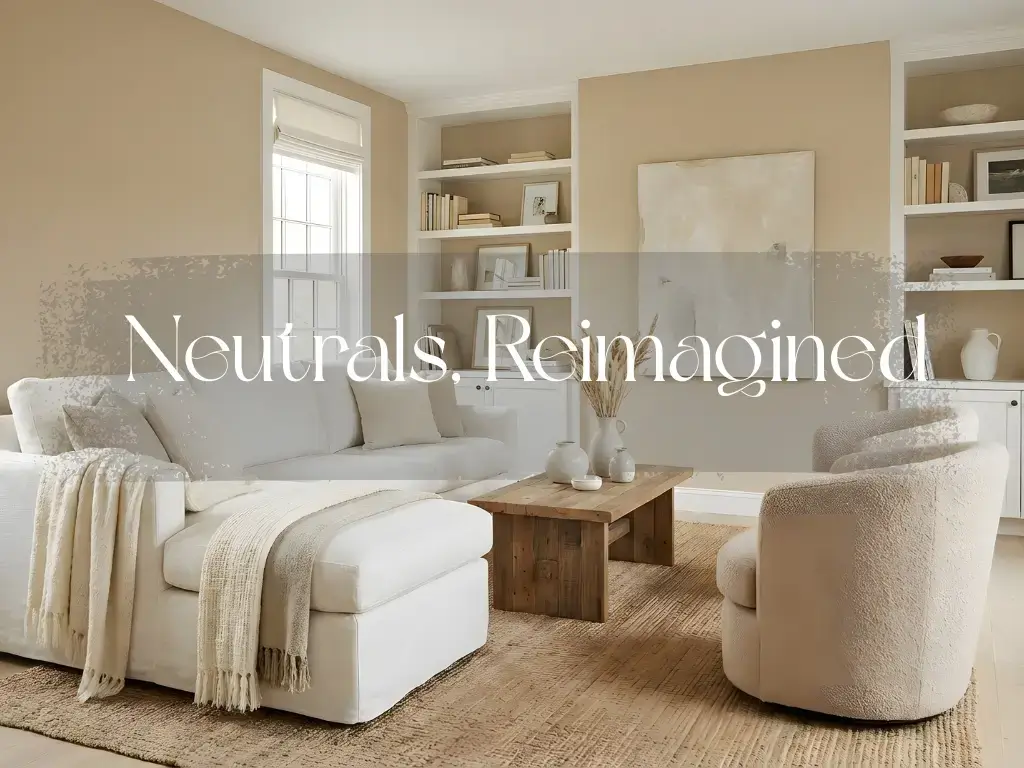
While grey had its moment, the new neutrals are warmer, complex, and far more interesting. We’re talking about “greige,” warm stone, oatmeal, and soft terracotta. All of these shades have an earthy undertone. These colours provide a calm backdrop but have enough depth to prevent a room from feeling flat.
I enjoy layering these tones to make a monochromatic look. This style focuses on texture rather than colour contrast for interest. It’s a smart way to do minimalism. It creates a space for your furniture and art to shine together, without distractions.
11. Warm Minimalism for Clutter-Free Calm
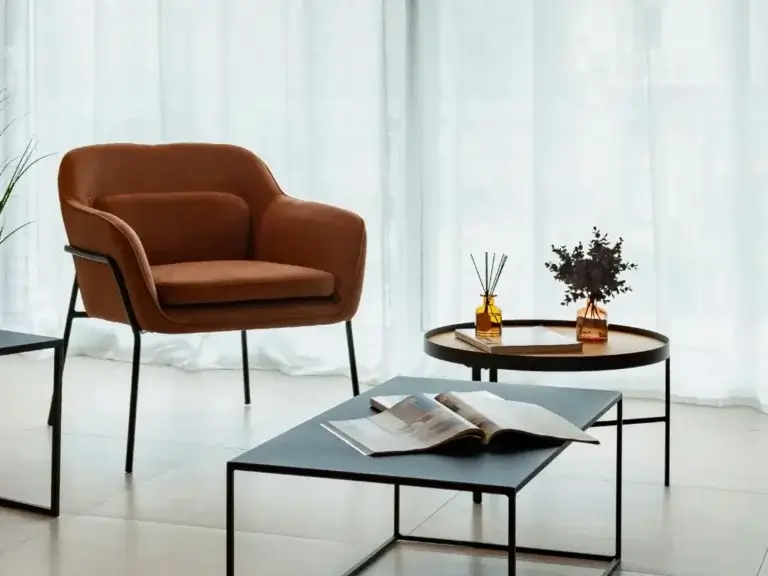
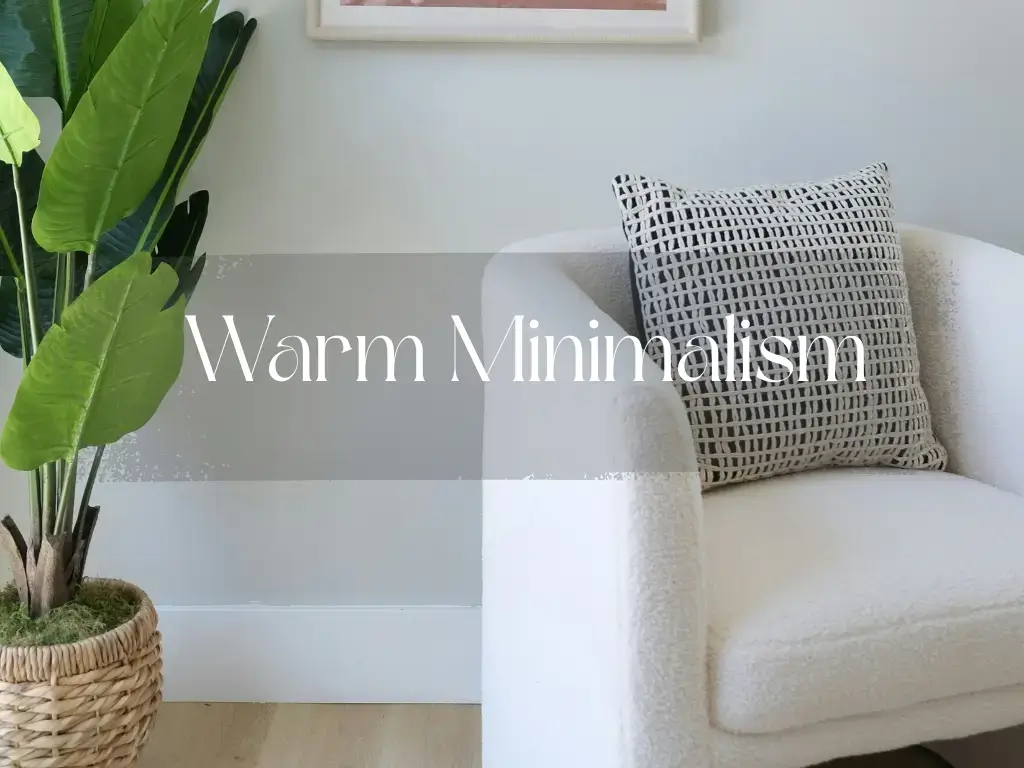
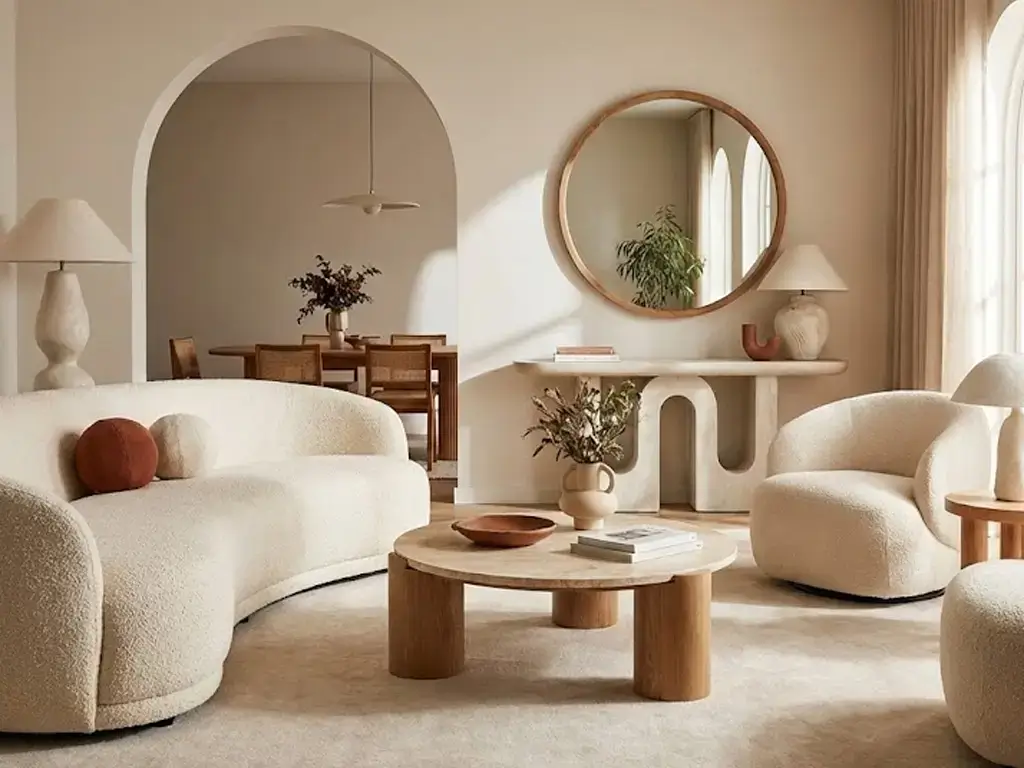
Warm minimalism is the perfect middle ground for those who love clean lines but hate cold spaces. It blends traditional minimalism with warmth through natural textures and gentle, curved shapes.
Use cream walls with travertine tables and boucle armchairs. Skip the white and chrome. This style uses clean lines and open spaces, but it fills them with materials that invite touch. Remove the unnecessary items to let the quality of what remains shine. This creates a home that feels calm and open.
12. Outdoor Living Rooms: Essential for Interior Design Trends Australia
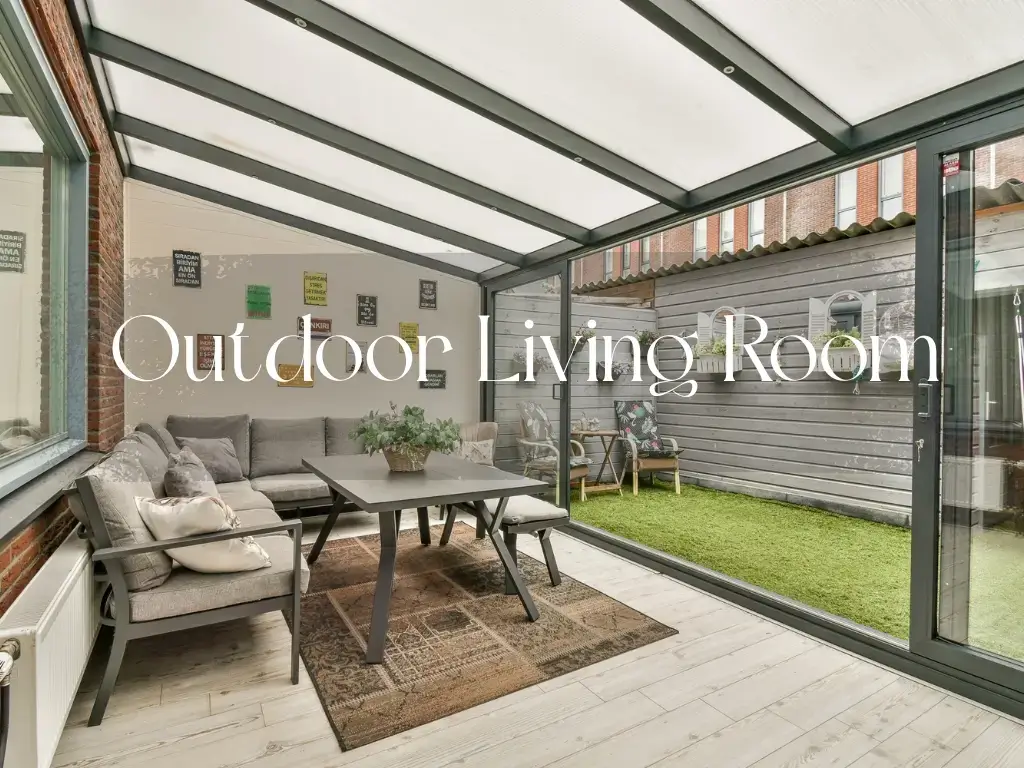
In Australia, our alfresco areas are just as important as our indoor ones. The “outdoor living room” trend makes the backyard or balcony feel like an extension of the house. We’re going beyond simple patio sets. Now, we have fully upholstered outdoor sofas, weather-resistant rugs, and dedicated outdoor kitchens.
This focus on outdoor living nearly doubles your space for entertaining. It also makes the most of our climate. No matter if you have a large deck or a small courtyard, give this space the same design care as your living room. This creates a smooth flow that is truly Australian.
13. Celebrating Craftsmanship and Texture
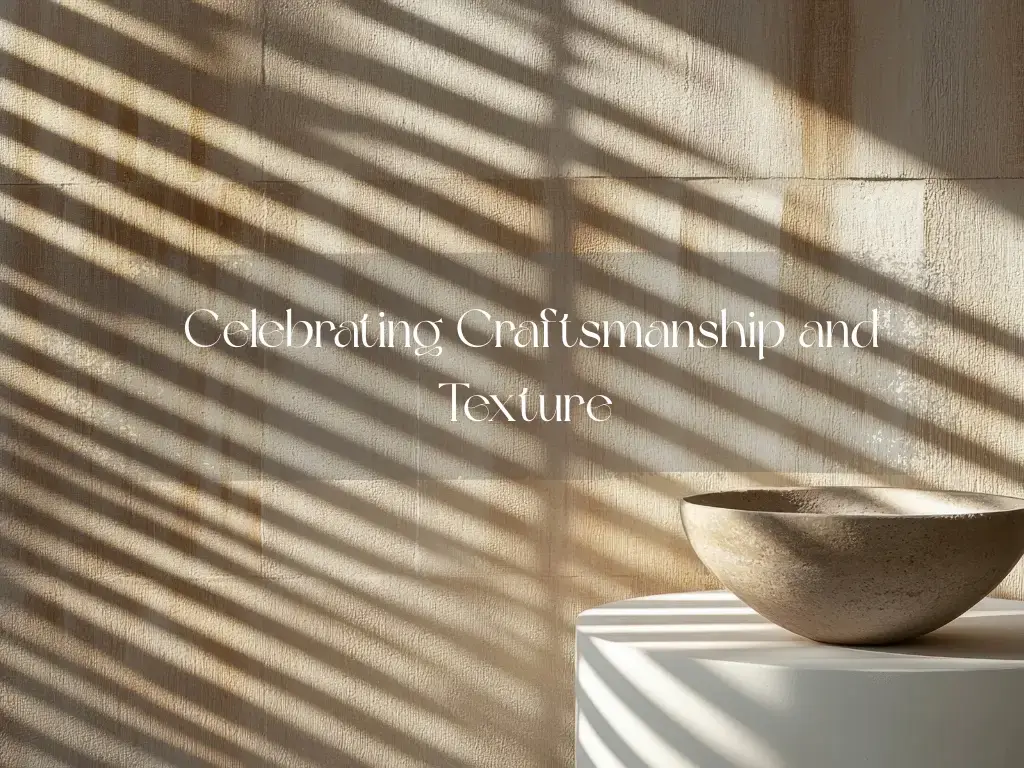
A growing appreciation for the “hand of the maker” exists in modern interiors. People choose handcrafted items with minor flaws over mass-produced perfection. These flaws show the touch of human skill.
Hand-thrown pottery, hand-knotted rugs, and hand-blown glass are now the gems of the home. These pieces offer a level of authenticity and touch that machine-made items can’t match. I always tell clients to mix these unique finds with their basic furniture. The contrast between smooth modern shapes and rough, handmade textures creates real magic.
14. Maximalism and Experimentation in 2026
While minimalism has its place, there is a joyful counter-movement towards maximalism. This isn’t about clutter; it’s about curation and confidence. You have the freedom to mix patterns, periods, and colours to show your unique personality.
We see interior design trends for 2026 embracing fun experimentation. Gallery walls mix oil paintings with neon signs.
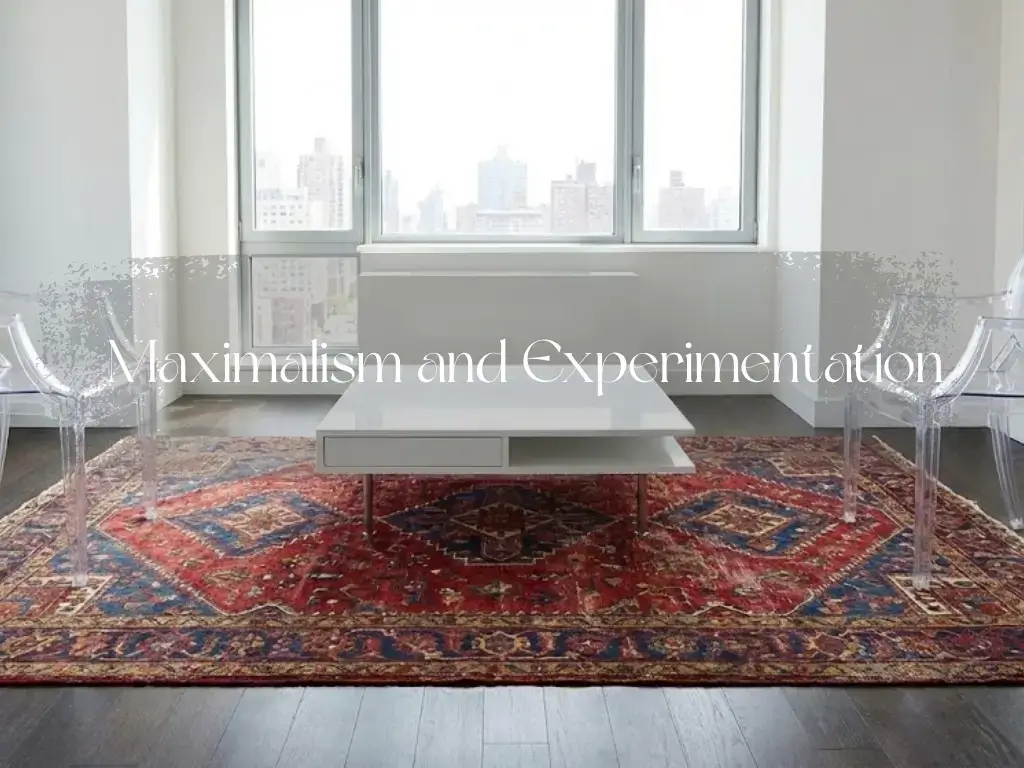
Antique Persian rugs pair well with ultra-modern acrylic chairs. It’s a celebration of the things you love, displayed without apology. If you are tired of playing it safe, this is your invitation to break the rules and have fun with your décor.
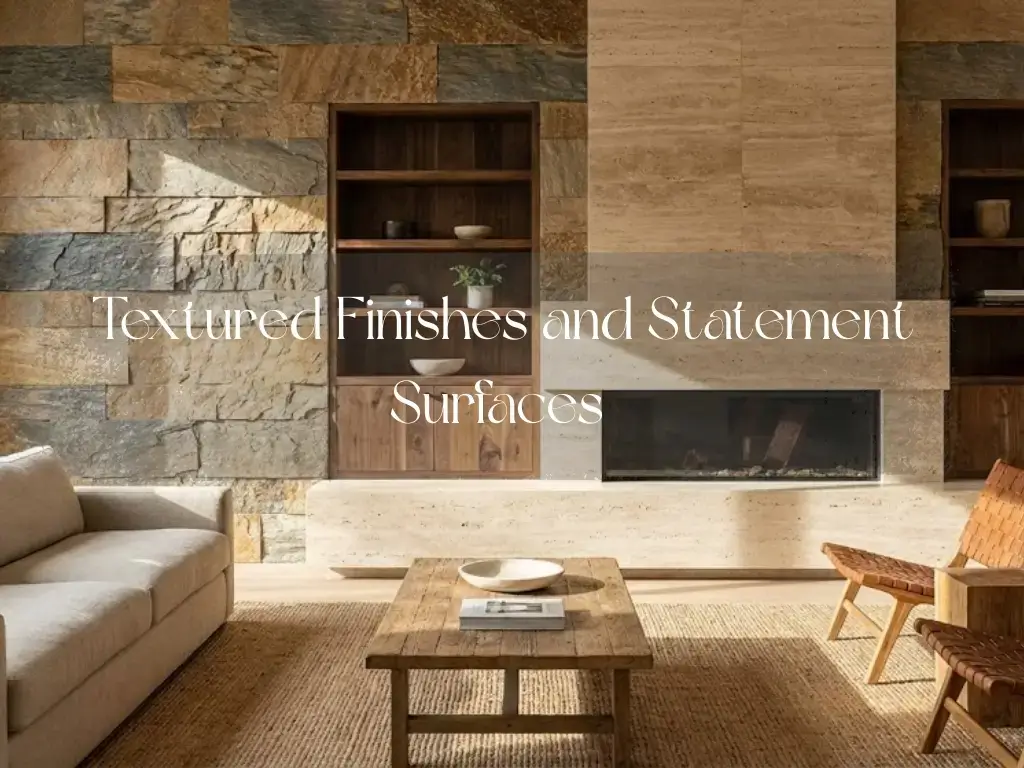
15. Textured Finishes and Statement Surfaces
Flat painted plasterboard is taking a back seat to walls with texture and dimension. Venetian plaster, limewash, and timber panelling are very popular now. They add depth and movement to vertical surfaces. These finishes reflect light beautifully. They change during the day, making the room feel lively.
A textured feature wall in a living room can be a stunning focal point. It reduces the need for extra artwork. Natural materials like stone and travertine are now used for fireplaces and joinery. These materials give the space a solid and ancient feel.
16. Curves and Sculptural Forms: Softening the Lines
Finally, the strict rectilinearity of modernism is softening. Furniture with rounded edges, arched doorways, and circular mirrors is dominating the scene. These organic shapes reflect nature and are easier on the eyes than sharp corners.
A curved sofa or a round coffee table can change how a room feels. It makes the space easier to move around and better for conversation. Many top furniture brands in Australia are launching collections with soft, sculptural shapes. This shows that comfort and great design can go hand in hand.
FAQ:
Absolutely. In my 20 years of experience, I’ve seen the kitchen island change from a luxury to a must-have in Australian homes. They aren’t just prep stations anymore. Now, they serve as social hubs where people do homework, pour wine, and share casual meals.
We are seeing a decisive move away from stark, clinical whites. The current palette is all about warmth and depth.
“Warm minimalism” is very popular. It uses colours like oatmeal, stone, and soft terracotta. These tones make a space feel inviting, not cold.
Bolder, richer colours are coming back. Think deep olives, chocolates, and midnight blues.
Artists use these colours in “colour drenching.” This means painting walls, trims, and ceilings the same shade. These colours anchor a room. They create a comforting, cocoon-like feel that’s also very sophisticated.
Bringing the outdoors in is one of the most timeless ways to elevate a space. Choose your key materials: solid wood furniture, stone tabletops, or jute rugs. These will add texture and warmth right away. Don’t overlook the impact of greenery. Big, sculptural indoor plants can bring life to a dull corner.
Finally, let in more natural light. Swap heavy curtains for sheer linens to let the sun shine through. These elements use biophilic design principles. They make a home feel restorative and linked to nature.